
cleaning tips ·
Move out cleaning checklist for Spokane renters
A room-by-room move out cleaning checklist for Spokane rentals, what Washington law says about your deposit, and the spots landlords check first.
By Frontline Housekeeping Plus

A good move out cleaning checklist is worth more than any other hour you spend on moving day, because it is the only part of the move that pays you back. Everything else is expense. This one decides how much of your deposit comes home with you. We have cleaned Spokane rentals since 2002, on both sides of the handoff: tenants trying to leave a place spotless, and landlords getting a unit ready for the next person. That vantage point makes one thing obvious. Move out inspections are not judged the way you would judge your own home.
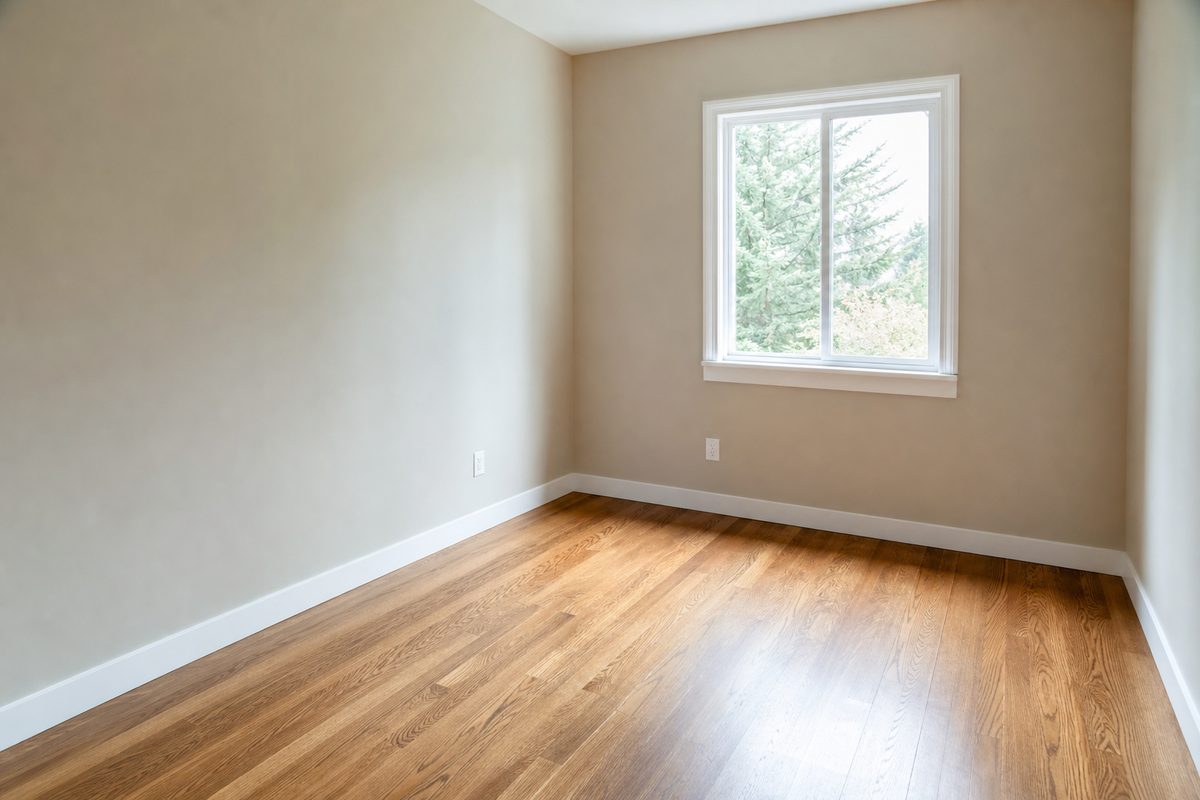
A landlord walking a vacant unit is not looking at the overall impression. They are looking at a short list of specific places, in a specific order, with nothing in the way. An empty room hides nothing. This guide walks that list room by room, in the order that actually works, and covers what Washington law says about what can and cannot come out of your deposit.
Know the rules before you start scrubbing
It helps to know what you are actually responsible for, because a lot of move out anxiety comes from not knowing where the line sits.
Under Washington’s residential landlord-tenant act, RCW 59.18.280 requires your landlord to return the deposit, or provide a full and specific written statement of the basis for keeping any of it, within 30 days after the tenancy ends. If they miss that window, the statute makes them liable for the full amount of the deposit.
Just as importantly, the same statute says a landlord may not withhold any part of the deposit for wear resulting from ordinary use of the premises. That distinction is the whole game. Faded paint, a carpet that has thinned in the traffic lane, small nail holes from hanging pictures, and worn finish on a hardwood floor are ordinary use. Grease on the range hood, soap scum in the shower, and crumbs in the refrigerator drawer are not. You cannot clean away the years, and you are not expected to. You are expected to clean away the dirt.
The Washington State Attorney General’s landlord-tenant resource page is the place to read further if there is a dispute, and it is worth bookmarking before you need it rather than after.
The order that saves you a second pass
Two rules govern the whole job, and getting them wrong is how a four-hour clean turns into a full day.
Clean after the unit is empty. Every time. Cleaning around furniture guarantees you clean twice, because the moment the couch leaves you find the dust line behind it and the floor discoloration under it. Movers first, then cleaning.
Work top to bottom, floors last. Ceiling fixtures, then upper cabinets and walls, then mid-level surfaces, then baseboards, then floors. Anything you knock loose up high lands on whatever is below it. If you vacuum first, you will vacuum again.
One more piece of sequencing that saves real time: put oven cleaner and any bathroom scale remover on early, then go do another room while they work. Chemistry is faster than scrubbing, and dwell time is free.
Kitchen: where the deposit is usually won or lost
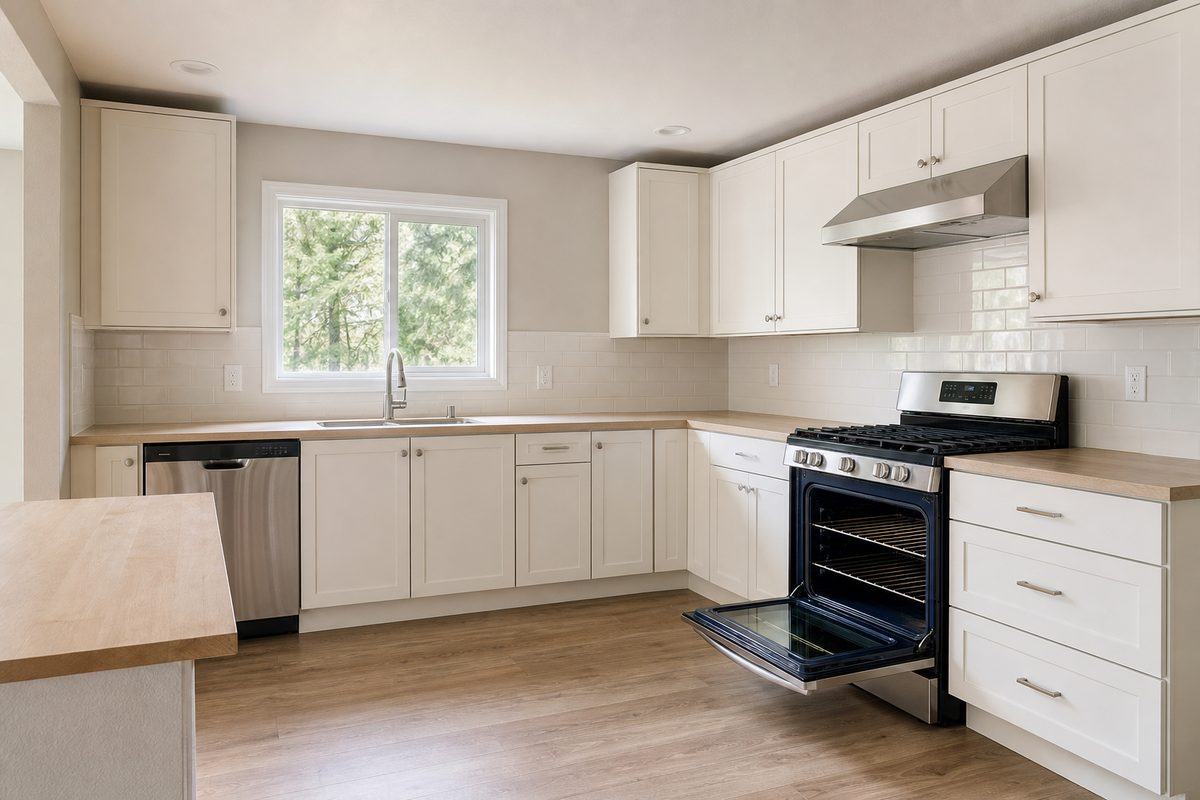
The kitchen takes the most time and draws the most scrutiny. Budget accordingly.
- Inside the oven. This is the single most commonly charged item on a move out inspection, and the single most commonly skipped. Racks out, cleaner in, let it sit, then wipe. Do not forget the inside of the oven door glass, where the burnt-on residue is most visible.
- The range hood and filter. The mesh filter is usually removable and can go through the dishwasher or soak in hot soapy water. The greasy underside of the hood needs a degreaser.
- The stovetop, drip pans, and burner grates. Drip pans that will not come clean are cheap to replace, and doing so is often faster than trying.
- Inside and behind the refrigerator. Every shelf and drawer out and washed, the door seals wiped, and the unit pulled out so the floor and the coils behind it can be cleaned. Leave it plugged in and running unless your lease says otherwise.
- Cabinets and drawers, inside and out. Empty, vacuum the crumbs from the corners, wipe the interiors, then do the fronts. Pay attention to the upper edge of cabinet doors and the greasy upper faces near the stove.
- The dishwasher and microwave interiors, the sink and drain, and the faucet.
- Countertops and backsplash, including the seam where the counter meets the wall.
Bathrooms: mineral scale is the local problem
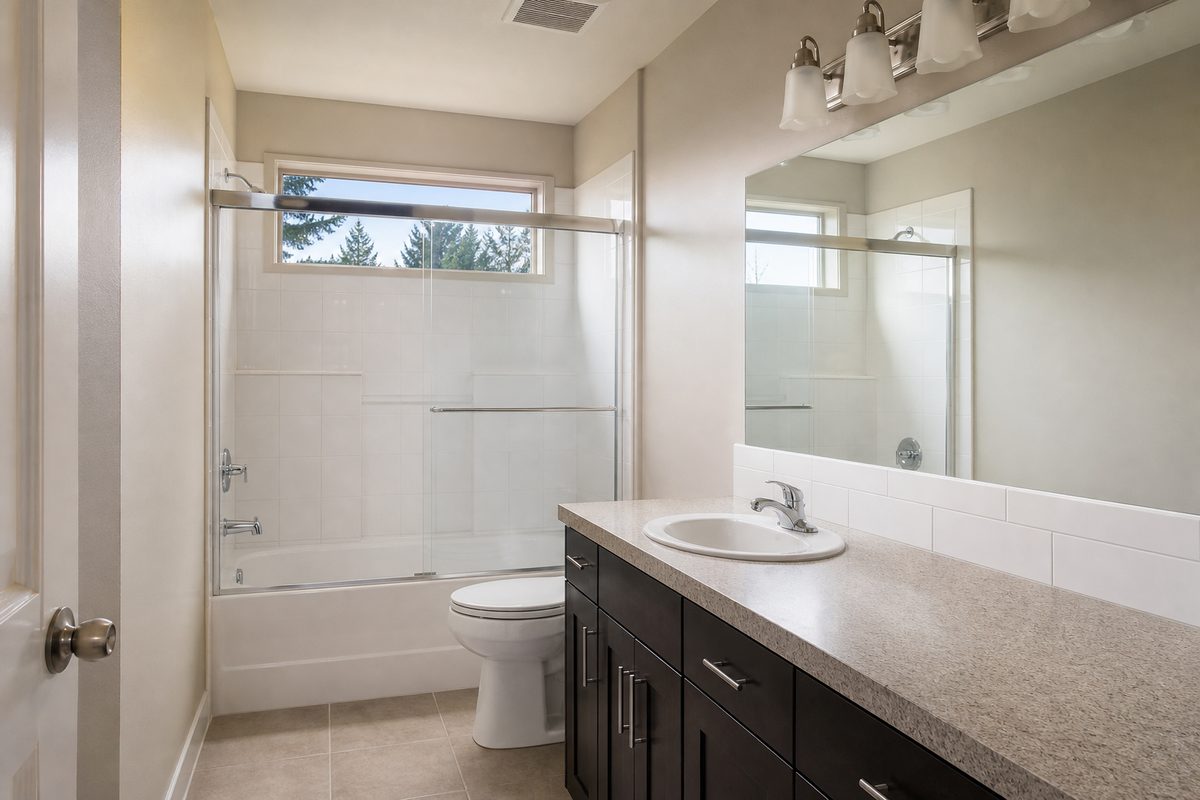
Spokane’s water is hard, which means rental bathrooms here collect scale that a tenant in a softer-water city never has to think about. If you have been in the unit a few years, that buildup is real, and it is on the dirt side of the line rather than the wear-and-tear side.
- Shower and tub, including the walls, the door track, the glass, and the fixtures. Mineral deposits on glass need a descaler and dwell time, not force.
- Toilet, inside the bowl including under the rim, plus the base, the bolt caps, and the back of the tank where dust collects.
- Sink, vanity, and mirror, including inside the vanity cabinet and the drawers.
- Exhaust fan cover, which is almost always dusty and almost always noticed because it is directly overhead in a small bright room.
- Grout and caulk lines, scrubbed where they have discolored. Caulk that has gone permanently dark is usually a maintenance item rather than a cleaning one.
Every room: the list landlords actually walk
These are the items that repeat in every room, and they are where inspections slow down.
- Baseboards, wiped rather than dusted. In an empty room they are at eye level for anyone crouching to check the floor, and they are the second most commonly charged miss after the oven.
- Walls and switch plates, spot-cleaned where there are marks and scuffs. Light switch surrounds get grimy in a way nobody notices until the room is bare.
- Window glass, sills, and tracks. The tracks collect a surprising amount of grit, especially on the windy side of a Spokane house. A damp cloth and a stiff brush handle it.
- Blinds and window coverings, wiped slat by slat if they are the hard kind.
- Light fixtures and ceiling fans. Globes come down and get washed. Fan blades hold a felt of dust on the top edge that is invisible from below and obvious from a ladder.
- Doors, door frames, and the tops of casings, where dust settles and nobody looks.
- Closets, including shelves, rods, and the floor corners.
- Vent covers and the return air grille.
- Floors last. Vacuum thoroughly, including edges and corners, then mop hard surfaces. Carpet in a unit you have lived in for years may need extraction, and your lease may specify what is expected.
Do not forget the outside and the extras
These get skipped constantly because they are not really rooms.
- The patio, balcony, or entry area, swept.
- The garage or carport floor, swept, with any oil spots addressed.
- Interior and exterior of the entry door.
- The mailbox emptied, and any storage unit or shed cleared.
- Every light bulb working. A burned-out bulb is an easy line item and a five-minute fix.
- All personal items removed, including the things that hide in plain sight: shower rings, tension rods, drawer liners, and command hooks.
Read your lease before you finish
This is the step that saves the most grief. Leases vary, and some Spokane landlords and property managers specify things this guide cannot anticipate: professional carpet cleaning with a receipt, a particular condition for the appliances, a required walkthrough appointment, or a deadline for returning keys.
Worth noting: RCW 59.18.280 also limits carpet cleaning charges specifically, barring deductions for carpet cleaning without documentation showing the condition exceeded ordinary wear. If your lease demands a professional carpet receipt, get one, but know that a blanket charge with no documentation is not automatic.
If a walkthrough is offered, take it, and be there. Standing in the room while someone points at something is far better than reading about it in a letter three weeks later.
How long this takes, honestly
For a one-bedroom apartment that has been reasonably maintained, plan on the better part of a day with two people. A three-bedroom house that has been lived in hard for several years is a full weekend, and the kitchen alone can eat half of one day.
That is the real math behind hiring it out. Move week is already full, you are usually short on time and long on stress, and the cleaning lands at the exact moment you have the least of both. It also has to be done in a window when the unit is empty and the keys are still yours, which is often a single day. There is no shame in handing off the one task with a hard deadline in the middle of the hardest week.
Questions Spokane renters ask us
What is included in a move out cleaning?
A move out clean covers everything a deep clean covers, done in an empty unit, with extra attention to the things landlords inspect: inside the oven, inside and behind the refrigerator, inside all cabinets and drawers, bathroom scale and grout, baseboards, window tracks, light fixtures, vent covers, and floors. The difference from a routine clean is scope and access. Nothing is in the way, so nothing gets skipped.
Do I have to professionally clean before moving out in Washington?
Not unless your lease requires it. Washington law requires you to return the unit in the condition you received it, minus ordinary wear and tear, but it does not automatically mandate a professional service. Some leases do specify professional carpet cleaning or a comparable standard, so read yours before you decide. Note that RCW 59.18.280 limits carpet cleaning deductions that are not backed by documentation of damage beyond ordinary wear.
What counts as normal wear and tear versus damage?
Wear and tear is what happens to a place simply by being lived in: faded paint, minor scuffs, carpet worn thin in walkways, small nail holes, and aged finishes. Damage is what happens through neglect or accident: stains, burns, holes, broken fixtures, and pet damage. Dirt sits in its own category, and it is squarely your responsibility. RCW 59.18.280 states that a landlord may not withhold deposit money for wear resulting from ordinary use.
How long does my landlord have to return my deposit?
In Washington, 30 days from the end of the tenancy. Within that window they must either return the deposit in full or provide a full and specific written statement of the basis for keeping any part of it, with the required documentation. A landlord who misses the deadline becomes liable for the full deposit under RCW 59.18.280. Make sure they have your forwarding address in writing.
Should I clean before or after the movers come?
After, always. Cleaning around furniture means cleaning twice, because the dust lines, floor marks, and wall scuffs behind and beneath your things only appear once they are gone. Schedule the clean for the empty unit, ideally the same day you finish loading, while the keys are still in your hand.
If you would rather hand it off
Moving is one of the few times cleaning has a genuine deadline attached, and it arrives when you have the least time to give it. Our move in and move out cleaning service is built for exactly this window: an empty unit, a fixed date, and an inspection at the end of it. We know what Spokane landlords look for because we have cleaned units for a lot of them.
If you want to see the underlying scope, our deep clean checklist covers the room-by-room detail work, and what to expect from a first cleaning explains how our visits run. If you are on the other side of this and moving into a place, a deep cleaning before your things arrive is the same idea in reverse, and it is far easier than doing it around boxes.
Anywhere in Spokane and the surrounding area, tell us about your place and we will send a written estimate within a business day. Give us your move date and we will tell you straight away whether we can hold that window.