
seasonal ·
The best time of year to clean carpets in Spokane is fall
Wondering about the best time of year to clean carpets? In Spokane it is early fall: fast drying, peak summer soil, and a house about to close up for winter.
By Frontline Housekeeping Plus

People ask us about the best time of year to clean carpets more than almost any other scheduling question, and the honest answer for Spokane is not “whenever you get around to it.” It is early fall, and it is early fall for three concrete reasons that have nothing to do with a sales calendar. September and early October here are dry, the afternoons are still warm enough to leave the windows open, and the house is about to shut tight for five months. Everything the summer put into your carpet and your couch is at its peak right now, and in a few weeks you will be breathing it with the windows closed.
We have cleaned Spokane homes since 2002, and we have extracted carpet in every month of the year, including January jobs where the room smelled damp for two days. Fall is the stretch when the job dries fastest, the soil load is highest, and the payoff lasts longest. Here is why, and how to make the most of it.
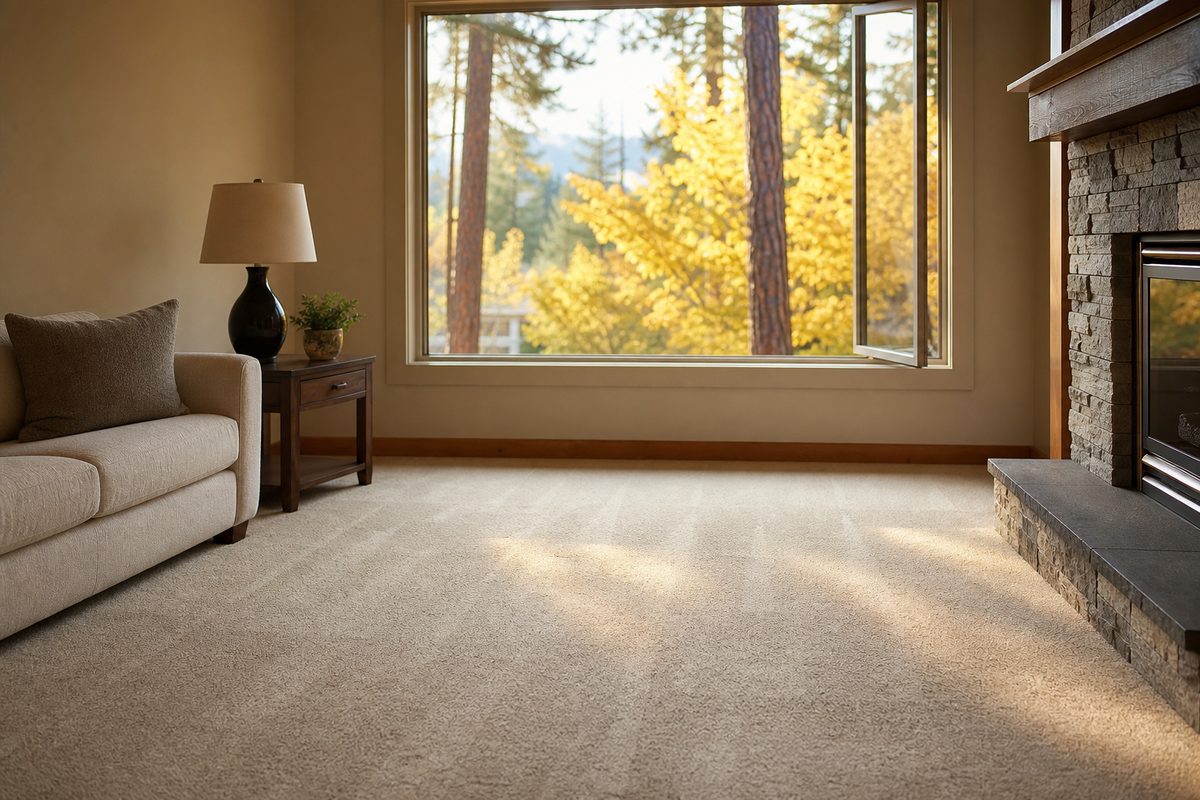
Why fall beats spring for carpet cleaning in Spokane
Most of the internet will tell you spring or fall, take your pick. In Spokane, the two seasons are not the same job at all, and the difference comes down to what is in the carpet and what the weather lets you do about it.
Fall is when the soil load peaks. Spokane summers are dry and windy, and fine dust from lawns, gravel driveways, and open windows works its way into carpet fibers all season long. Add leftover pollen, a layer of ash from whatever smoke season did this year, and the grit of a summer of open doors, and your carpet is carrying more by mid-September than at any other point in the year. Spring cleaning removes winter’s mud and salt, which matters, but the volume of embedded dry soil is simply lower.
Fall is when it dries fastest. Hot-water extraction leaves carpet damp, and how fast it dries decides how the room smells the next day and whether the fibers wick anything back up. In September the outdoor air is dry, the afternoons are warm, and you can open every window in the house. In March the air is damp and opening the windows means letting cold, wet air in.
Fall is right before the house seals up. This is the reason that matters most, and the one nobody mentions. Once the first real cold snap hits, Spokane homes close for the season: windows shut, furnace on, the same air recirculating for months. Whatever is in the carpet and upholstery at that point is what the household lives with until April. Clean it in October and the house starts winter with a clean reservoir. Clean it in February and you have already spent most of the season breathing the summer’s dust.
If you are already planning a fall deep cleaning before winter closes in, carpet and upholstery extraction is the natural last step of that plan, because it is the one soft-surface job that most home vacuums cannot do.
What summer actually leaves in your carpet
It helps to know what you are removing, because it explains why vacuuming alone is not enough.
- Dry particulate soil. The fine, gritty dust that Spokane’s dry summers push into every home. It settles deep into the pile, where it wears on the fibers every time someone walks across the room, and vacuuming only partially reaches it once it is embedded.
- Pollen and allergens. Pollen, dust mites, and pet dander all end up in carpet and cushions, and they wait there for the windows to shut.
- Oily residue. Cooking vapors and skin oils coat the fibers and make them grab new dirt faster, which is why traffic lanes look gray even after a good vacuum. Oil needs hot water and detergent to release, which is exactly what extraction does.
- Pet contributions. Fall is when coats change, and a dog that sheds moderately in July sheds heavily in October. If you have pets, the pet hair and dander routine we use in Spokane homes pairs well with this: extraction handles what has settled, and the routine slows the next round.
- Smoke residue. After a real smoke season, fine soot settles into soft furnishings and holds the campfire smell long after the sky clears. A HEPA vacuum removes some of it; extraction removes the rest.
The Carpet and Rug Institute recommends vacuuming at least once a week and professionally deep cleaning carpet every 12 to 18 months to remove embedded dirt and grime. If you are on that schedule, fall is the point in the year where the cleaning does the most good.
The right order: vacuum first, then extract
The most common mistake we see is skipping the dry pass. Extraction removes the soil that vacuuming cannot; it does not replace vacuuming. Run hot water through a carpet full of loose dry soil and you turn dust into mud and push it deeper.
Our crews start every carpet job with a slow HEPA-filter vacuum pass before the extraction equipment comes off the truck. On your own carpet, the same rule applies: vacuum thoroughly, with overlapping passes and against the pile direction in the traffic lanes, before any wet cleaning happens. Purdue Extension’s guidance on home carpet cleaning makes the same point and adds a caution worth repeating: over-wetting carpet risks shrinkage, discoloration, mildew, or the backing separating, so whatever method you use, use as little water as the job needs and make sure it can dry.
How to get the fastest dry in fall
Hot-water extraction pulls most of the water back out, but the fibers and the pad stay damp for hours, and what you do in those hours decides the result.
- Open the windows. In early fall this is the whole trick. Cross-ventilation moves damp air out and dry air in, and the warm afternoon does the rest. This is the step you cannot take in January.
- Move the air. Our crews can leave air movers running to speed things up; a box fan pointed across the carpet does a rough version of the same thing at home.
- Keep the furniture up. Furniture legs sitting on damp carpet can transfer stain or rust into the fibers and leave a dent that is hard to lift. Most Spokane carpet we extract is dry in four to eight hours; Purdue Extension suggests allowing about twelve hours before furniture goes back, and we would rather you wait than move things back early.
- Stay off it in shoes. Socks or bare feet are fine within an hour. Shoes track new soil onto damp fibers that grab onto it.

Upholstery cleaning in fall: the couch is a carpet you sit on
Everything that is true of carpet is true of the sofa, only more so. Upholstery gets the same dust and pollen, plus skin oils, food, and pet hair concentrated on the exact spots people use most, and the couch gets more hours of use from November to March than any other surface in the house.
Upholstery cleaning fall timing follows the same logic as carpet, and the same dry-air advantage applies. But upholstery has a rule that carpet does not: identify the fabric before you choose a method. Synthetic fabrics like polyester and microfiber generally handle hot-water extraction well. Natural fibers, linen blends, and anything with a delicate weave often need a low-moisture method to avoid water rings, shrinkage, or color bleed. Our crews identify the fabric first and pick the method second, and we will not guess on a material we could damage. If you are doing it yourself, check the manufacturer’s cleaning tag and test any product on a hidden spot, such as the underside of a cushion, before touching the visible fabric.
A realistic fall upholstery routine at home:
- Take every cushion off and vacuum the frame, the crevices, and both sides of each cushion with the upholstery attachment. This is where the crumbs, the hair, and the fine dust live.
- Spot-treat known marks with a product matched to the fabric and the stain, working from the edge inward so the spot does not spread.
- Clean the whole piece, not just the spot, or you will end up with a clean patch on a dingy sofa. Whole-piece cleaning keeps the color even.
- Dry it fully before the cushions go back. Damp cushion cores in a closed cover can develop a musty smell that is very hard to remove.
For pieces you will not tackle yourself, or fabrics you are not sure about, our carpet and upholstery cleaning service covers sofas, chairs, and cushions with the method matched to the fabric, and it can be booked on its own or added to a deep clean.
Rugs, runners, and the entry
Wool and area rugs are often the most valuable textile in the room and the easiest to damage: wool holds dye differently than synthetic carpet, and some rugs bleed if over-wet. A rug you care about deserves the same fabric-first thinking as a delicate sofa.
The entry runner is the opposite case: it is the hardest-working textile in a Spokane house and about to get harder. A runner extracted in October starts the boot season clean, and paired with a good boot tray it will hold the line through most of the winter. Pair it with a shoes-off rule and the mud and salt mostly stop at the door.
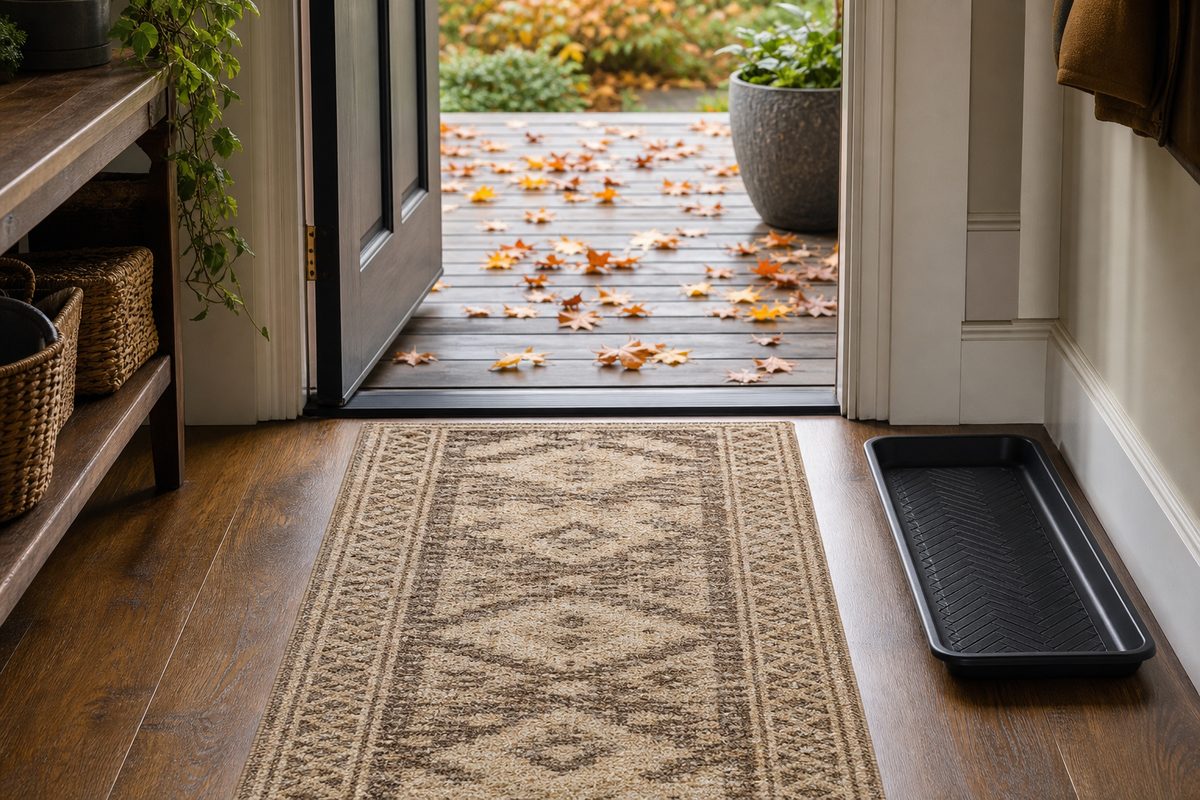
Keeping it clean once the house closes
Extraction resets the carpet. The routine that follows keeps it clean through a five-month winter.
- Vacuum weekly, slowly. The CRI’s guidance is at least once a week, more with heavy traffic, and slow overlapping passes remove far more than one quick lap. A HEPA-filter vacuum matters more in winter, when anything the vacuum exhausts stays in the house.
- Shoes off at the door. The single biggest reduction in what reaches the carpet. A boot tray and a doormat inside and out make it easy to follow.
- Deal with spots the same day. Blot, do not rub, and work from the edge toward the center. A spot handled the day it happens almost always comes out.
- Change the furnace filter. A sealed house recirculates dust through the carpet and back into the air, and a fresh filter catches a share of it. Our guide on how to keep dust down in a Spokane house covers the filter and airflow side in detail.
Questions we get every September
What is the best time of year to clean carpets?
For Spokane, early fall: September through mid-October. The air is dry, the windows can stay open, and the carpet has the summer’s full load of dust, pollen, and pet hair in it right before the house closes for winter. Spring is the second-best window and handles the winter’s mud and salt, but the drying is slower and the embedded dry soil is lighter.
How often should carpets be professionally cleaned?
The Carpet and Rug Institute recommends professional deep cleaning every 12 to 18 months, with weekly vacuuming in between. Homes with pets, young children, or heavy traffic often benefit from more frequent extraction, and some carpet manufacturer warranties require periodic professional cleaning, so it is worth checking yours.
Should I clean my carpets before winter?
Yes, and it is the best argument for fall. Once Spokane homes close up for the season, the carpet and upholstery become the main reservoir the indoor air draws from, and there is no airing the house out for months. Cleaning in fall means the household spends the winter with a clean reservoir instead of the summer’s dust.
How long does carpet take to dry after cleaning?
With hot-water extraction, most Spokane carpet we clean is dry in four to eight hours, faster with air movers and open windows in fall. Purdue Extension suggests allowing about twelve hours before moving furniture back, which is a safe rule. In winter, with the windows shut, expect it to take noticeably longer.
How often should upholstery be cleaned?
Most upholstered furniture does well with a professional cleaning roughly every year or two, more often with pets, kids, or a sofa that gets daily use. Vacuum the cushions and crevices weekly with the upholstery attachment in between, and have the fabric identified before any wet cleaning so the right method is used.
When to hand it off
A room or two of synthetic carpet with no serious spots is a reasonable weekend job with a rental machine, as long as you vacuum first, go easy on the water, and let it dry with the windows open. Whole-house carpet, wool rugs, delicate upholstery, pet urine that has reached the pad, or a smoke season’s worth of residue is a job for truck-mounted extraction.
We have been cleaning carpet and upholstery in Spokane homes since 2002, with hot-water extraction for carpet and synthetics, low-moisture methods for delicate fabrics, enzymatic treatment for pet accidents, and a HEPA pre-vacuum on every job. If your house is anywhere in Spokane or the surrounding area and you want the carpet and the couch clean before the windows shut, tell us about your home and we will send a written estimate within a business day, with a free in-home consultation if you would like one.